
Guide

"Grandma, I had an accident" - how scammers are upgrading the grandchildren scam

The grandchildren scam has not disappeared. It has evolved. Today it can include cloned voices, spoofed bank numbers and multi-step stories designed to keep older adults in fear and secrecy.

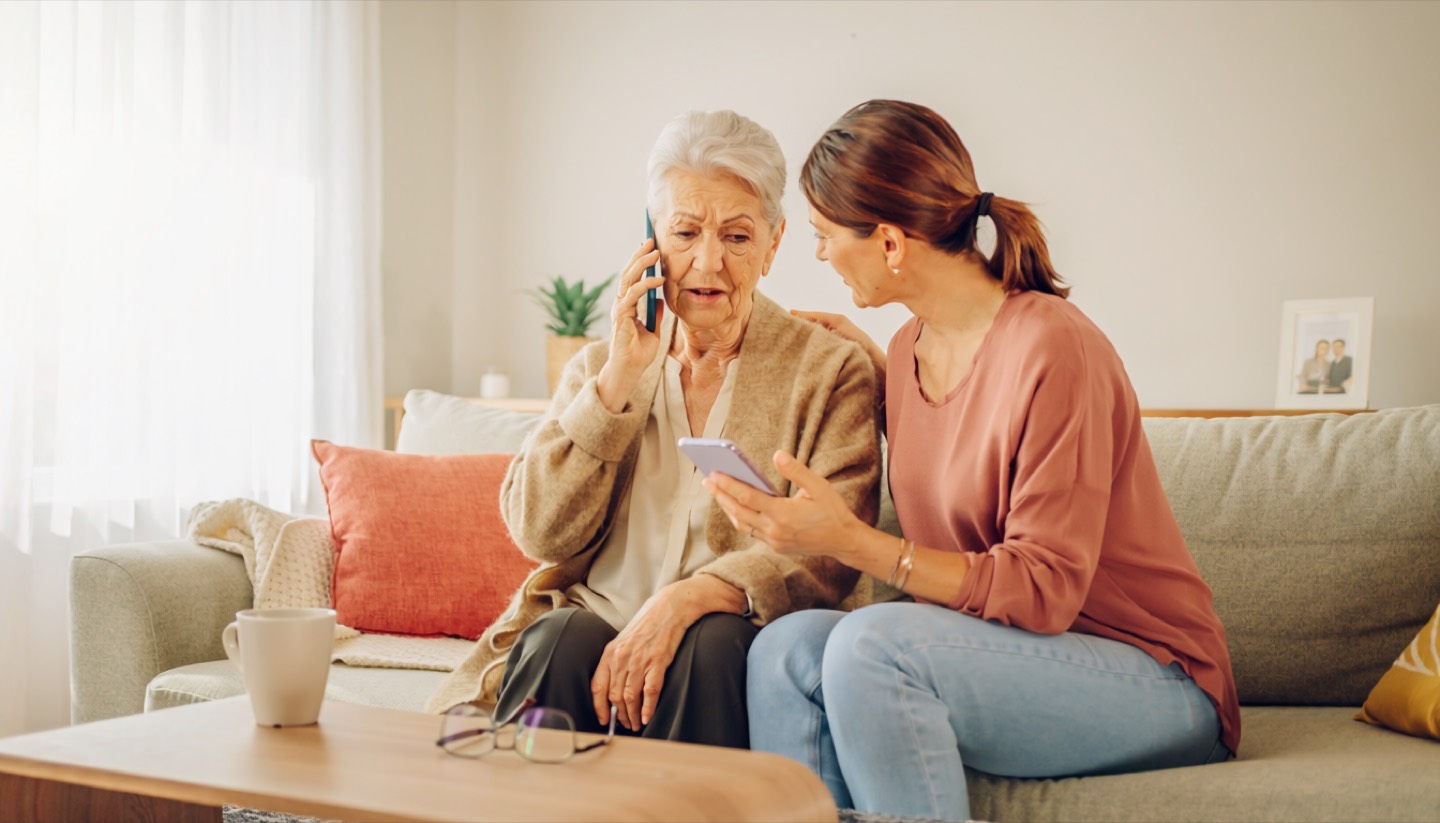
A family member helping an older woman verify an urgent call

An old scam with new tools

The classic version was brutally simple: a caller claimed to be a grandchild, said there had been an accident and demanded money immediately. That mechanism is still alive, but the surrounding technology has changed.

Today the story may be supported by a spoofed phone number, a second call from a fake police officer or even an AI-generated voice that sounds like a real family member.

Voice cloning makes trust harder

A few seconds of audio can now be enough to imitate the tone and rhythm of a loved one. In a calm lab test that may still be recognisable. In a moment of panic it becomes much harder.

That is why older adults should never rely on the sound of a voice alone. Verification has to be external: call back on a known number, ask a control question or use a family password.

Spoofing and secrecy are red flags

If the phone displays the bank number or a public institution, that still proves nothing. Spoofing lets a scammer put almost any number on the screen.

The moment the caller says "do not tell anyone" or pushes for action within minutes, the situation should be treated as suspicious, no matter how convincing the story sounds.

Use the Stop - Think - Call rule

Stop means interrupting the emotional rush. Think means asking whether the story makes sense and whether a real institution would ask for money, codes or secrecy. Call means contacting the real family member or institution on a number you already know.

This simple routine works because it breaks the automatic reaction scammers depend on.

Sources

  • Polish Police educational campaign Z-Z-Z (Stop, Think, Call).
  • Financial Ombudsman warnings about spoofing and phone scams.
  • Research and practitioner reports collected in the ODYSSEY evidence review.

Practise the safe response

Our course uses examples, simulations and checklists to train the exact moment when a scam call tries to rush you.

Go to the ODYSSEY course
"Grandma, I had an accident" - how scammers are upgrading the grandchildren scam - ODYSSEY Blog
Guide

"Grandma, I had an accident" - how scammers are upgrading the grandchildren scam

The grandchildren scam has not disappeared. It has evolved. Today it can include cloned voices, spoofed bank numbers and multi-step stories designed to keep older adults in fear and secrecy.

A family member helping an older woman verify an urgent call

An old scam with new tools

The classic version was brutally simple: a caller claimed to be a grandchild, said there had been an accident and demanded money immediately. That mechanism is still alive, but the surrounding technology has changed.

Today the story may be supported by a spoofed phone number, a second call from a fake police officer or even an AI-generated voice that sounds like a real family member.

Voice cloning makes trust harder

A few seconds of audio can now be enough to imitate the tone and rhythm of a loved one. In a calm lab test that may still be recognisable. In a moment of panic it becomes much harder.

That is why older adults should never rely on the sound of a voice alone. Verification has to be external: call back on a known number, ask a control question or use a family password.

Spoofing and secrecy are red flags

If the phone displays the bank number or a public institution, that still proves nothing. Spoofing lets a scammer put almost any number on the screen.

The moment the caller says "do not tell anyone" or pushes for action within minutes, the situation should be treated as suspicious, no matter how convincing the story sounds.

Use the Stop - Think - Call rule

Stop means interrupting the emotional rush. Think means asking whether the story makes sense and whether a real institution would ask for money, codes or secrecy. Call means contacting the real family member or institution on a number you already know.

This simple routine works because it breaks the automatic reaction scammers depend on.

Sources

  • Polish Police educational campaign Z-Z-Z (Stop, Think, Call).
  • Financial Ombudsman warnings about spoofing and phone scams.
  • Research and practitioner reports collected in the ODYSSEY evidence review.

Practise the safe response

Our course uses examples, simulations and checklists to train the exact moment when a scam call tries to rush you.

Go to the ODYSSEY course